 Early Times Report Early Times Report
JAMMU, Sept 2: A Special NIA Court in Jammu has rejected the bail application of Nadeem Ayoub Rather, an accused in the 2021 Bathindi IED conspiracy case, holding that the material collected during investigation prima facie indicates his alleged involvement in a wider conspiracy and that his release could create a risk of influencing key prosecution witnesses.
Special Judge NIA Cases, Jammu, Prem Sagar, dismissed the bail application on September 2 in RC-04/2021/NIA/JMU, involving offences under Sections 120-B, 121-A and 122 IPC, Sections 18, 18-B, 20, 38 and 39 of the UAPA and Sections 4 and 5 of the Explosive Substances Act. Rather, a resident of Shopian district, has been in custody since July 1, 2021.
The case originated from an incident on June 27, 2021, when accused Nadeem Ul Haq was allegedly intercepted by Jammu and Kashmir Police in the Bathindi area of Jammu while carrying an Improvised Explosive Device (IED). According to the prosecution, the IED was allegedly intended to target civilians and security forces and further a conspiracy to wage war against the Government of India.
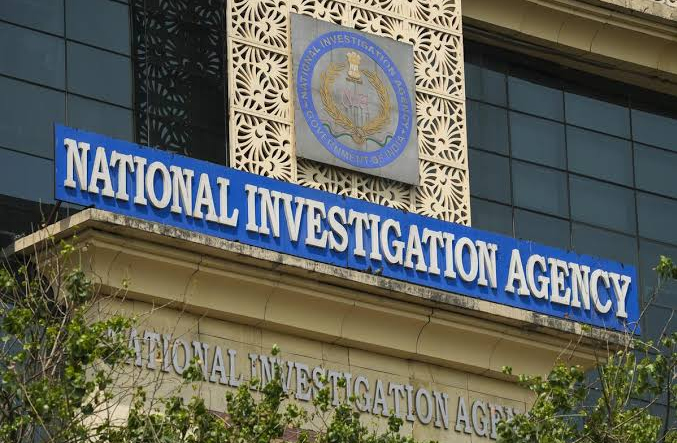
Two more accused, including Nadeem Ayoub Rather and Talib-ur-Rehman, were subsequently arrested on July 1, 2021. The investigation was later taken over by the National Investigation Agency.
The prosecution alleged that investigation revealed Rather had become radicalised through social-media platforms and had allegedly established contacts with Pakistan-based LeT/TRF handlers. The NIA claimed that he communicated with handlers through Facebook, WhatsApp and other online platforms and was involved in spreading extremist material and connecting local youth with foreign-based handlers.
It was further alleged that Rather created and administered several WhatsApp groups, including "Al-Jihad Jammu & Kashmir", "Struggle Till Freedom" and "Ghazi Official", which were allegedly used for circulation of terrorist propaganda, glorification of slain militants and dissemination of provocative audio-video material.
According to the prosecution, digital material, including WhatsApp chats, social-media activity and group communications, allegedly showed his association with Pakistan-based handlers and his purported role in radicalisation, recruitment and coordination between local accused and handlers.
During arguments, Advocate H U Bhat, appearing for the accused, sought bail primarily on the ground of prolonged incarceration and the right to speedy trial under Article 21 of the Constitution. The defence argued that the applicant had remained behind bars for nearly five years, while only a portion of the prosecution witnesses had so far been examined.
The defence also contended that no incriminating recovery had been effected from Rather on the basis of his disclosure statement and relied upon several Supreme Court and High Court judgments dealing with prolonged incarceration and the constitutional right to speedy trial.
The NIA opposed the plea through Special Public Prosecutor K S Pathania, along with Public Prosecutors Chandan Kumar Singh and Ashwani Verma, arguing that the allegations were grave and supported by prima facie material. The prosecution maintained that the trial was progressing and that delay, if any, could not override the statutory restrictions governing bail under the UAPA.
The Court noted that charges had already been framed on March 1, 2023 and the trial was underway. It observed that material on record indicated the applicant's alleged involvement in furtherance of a conspiracy relating to unlawful activities and that several relevant witnesses were still required to be examined.
The Court further observed that if the applicant was released at this stage, there was a likelihood of his influencing key witnesses and thereby hampering the course of justice.
Rejecting the argument of prolonged incarceration, the Special Judge held that considering the nature and gravity of the offences, prima facie material and larger interest of the State, no case for bail was made out and consequently rejected the application.
The Court, however, clarified that its observations were confined only to deciding the bail application and would have no bearing on the merits of the main case. (JNF) |