news details |
|
|
| Jammu Di Galliyan - Nexus Heritage Walk by SMVDU students | | | 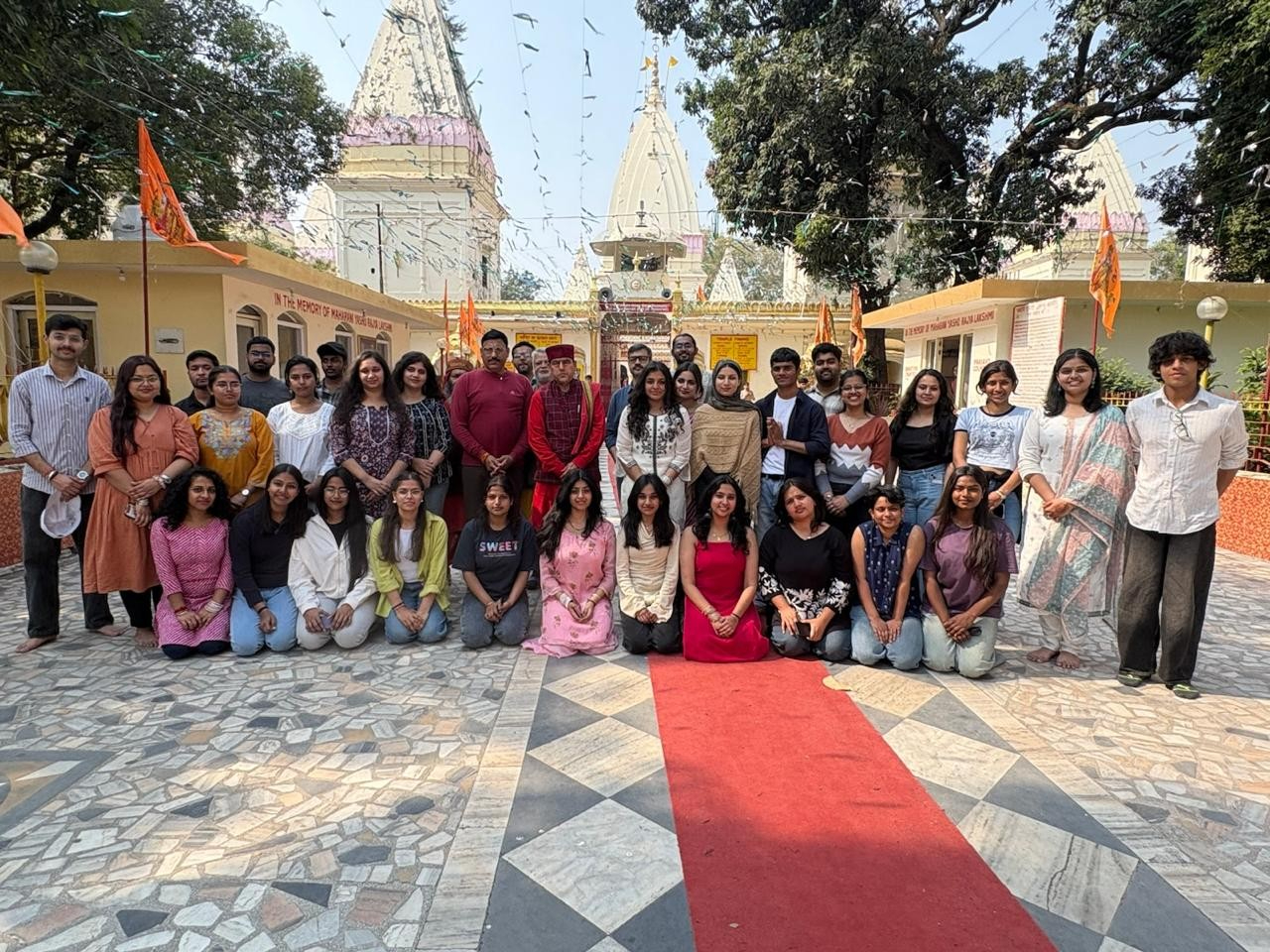 Early Times Report Early Times Report
JAMMU, Mar 2: The School of Architecture and Landscape Design (SoALD) at Shri Mata Vaishno Devi University (SMVDU) recently organized a transformative heritage walk titled "Jammu Di Galliyan." The event was part of the Nexus initiative in association with the 68th year of the National Association of Students of Architecture (NASA) India. The walk was designed to provide architecture students with an immersive, experiential look at the historic urban fabric and the rich architectural legacy of Jammu city. A Journey Through the Sacred Urban Fabric. The route took participants on a culturally rich journey starting from the Purani Mandi Ram Mandir and culminating at the iconic Raghunath Temple, one of the most significant temple complexes in North India. The session was led by Ar. Abhiney Gupta, Head of the School of Architecture and Landscape Design, SMVDU, alongside Ar. Kushagra Anand, Conservation Architect & SMVDU Alumni. Together, they provided deep architectural insights into: Architectural Evolution, Dogra Typologies and Spatial Hierarchy. The Streets acted as Classroom and stepping out of the studio into the "Galliyan" students were able to document and observe critical design elements firsthand. This direct engagement allowed students to see how religious architecture didn't just exist in isolation but acted as a catalyst for the growth and structure of the surrounding city. Leadership and Recognition. The initiative was meticulously organized by the NASA Unit Council (Z124), led by Unit Secretary Abhilasha Singh and others. Their efforts reflect NASA India's ongoing commitment to fostering cultural awareness and professional growth within the student community. Prof. Pragati Kumar, Hon'ble Vice Chancellor of SMVDU, congratulated the department and the students on the successful conduct of the event. He emphasized that such initiatives are vital for bridging the gap between academic theory and the preservation of regional heritage. |
|
|
|
|
|
|
|
|
|
|
|
|
| |
| |
|
|
|
|
 |
|
|
