 Early Times Report Early Times Report
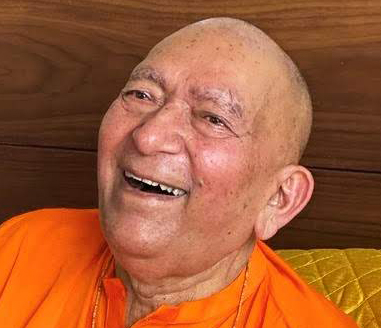
YOL (HIMACHAL PRADESH), June 8: On the 58th day of the ongoing 78-day Yajna dedicated to the recitation and propagation of all four Vedas at Ved Mandir, Yol, renowned Vedic scholar and Yoga Acharya Swami Ram Swarup Ji delivered an enlightening discourse based on Atharvaveda Mantras 7/77/1-2, emphasizing the destructive nature of bad desires, sensuality (Kaam) and anger (Krodh).Addressing devotees, Swami Ji stated that bad desires and anger are among the most powerful enemies of human beings. Repeated indulgence in these negative tendencies only strengthens them, ultimately leading to the destruction of one's character, peace and happiness. Quoting the Vedic teachings, he explained that the Vedas compare bad desires and anger to barking dogs and wolves that carry away calves, symbolizing how these vices relentlessly torment and ultimately ruin human life.Swami Ram Swarup Ji stressed that regular practice of Asanas, Pranayama, meditation and spiritual discipline helps individuals overcome inner enemies such as bad desires, anger, pride, greed and attachment. He noted that a disciplined yogic lifestyle enables a person to attain mental balance, inner strength and lasting happiness.
Highlighting the importance of self-control, he said that whenever someone attempts to disturb our peace through anger or hostility, such negativity can be neutralized through sincere spiritual practices including Yoga, Naam-Jap and austerity. He added that God always protects the righteous and ensures that those driven by anger and wrongdoing ultimately face the consequences of their actions.
Swami Ji further explained that the Vedic tradition of Yajna (Agnihotra) plays a vital role in cultivating self-restraint, purifying the mind and senses, promoting good health and attracting prosperity. By living in accordance with Vedic principles, individuals can lead a balanced, disease-free and contented life.
Concluding his discourse, Swami Ram Swarup Ji urged devotees to make daily Yoga practice, Yajna/Agnihotra and Vedic study an integral part of their lives. He said that this timeless Vedic path destroys sins, grants longevity, peace and prosperity, and ultimately guides a person towards the supreme goal of Moksha (liberation). |
